Three pre-construction towers are simultaneously shaping Edgewater's skyline: LILLI by OKO Group, Aria Reserve by The Melo Group, and Edge House Miami. All three are bayfront. All three are designed by internationally recognized architects. All three are selling at the same moment in the cycle. But they are fundamentally different products targeting fundamentally different buyers. This comparison breaks down what each tower actually is, and which buyer it serves best.
How does the unit count differ?
Unit count is the single most defining variable in any luxury tower because it determines amenity density per resident and exclusivity:
- LILLI: 117 residences across 53 floors. Boutique density.
- Aria Reserve, approximately 780 residences across two 62-story towers. Largest residential building in Edgewater.
- Edge House Miami, approximately 670 residences. Hospitality-flexible-stay model with shorter-term occupancy options.
LILLI's 117-unit density is dramatically lower than either alternative. The practical implication: at LILLI, the rooftop pool serves 117 residences. At Aria Reserve, equivalent amenities serve roughly 7x more units. For buyers who prioritize amenity availability, elevator speed, and lobby quiet, the math at LILLI is materially better.
How do the architects compare?
All three towers were designed by firms with global standing:
- LILLI: Adrian Smith + Gordon Gill Architecture (ASGG). Chicago-based firm whose principal Adrian Smith designed the Burj Khalifa. Also designed UNA Residences in Brickell. At LILLI, serving as both Design Architect and Interior Designer.
- Aria Reserve: Arquitectonica. Miami-based firm with one of the largest portfolios of high-rise residential work in the world, including the American Airlines Arena and the Westin Diplomat in Hollywood.
- Edge House: Kobi Karp Architecture. Award-winning Miami-based firm led by Kobi Karp, known for luxury towers across South Florida, working with Adriana Hoyos Design Studio on the interiors.
The right way to think about this is that all three architect choices are credible. The differentiator is the single-firm interior approach at LILLI, where the same studio that drew the building drew the kitchens. Aria Reserve and Edge House use separate interior teams.
How does the amenity philosophy differ?
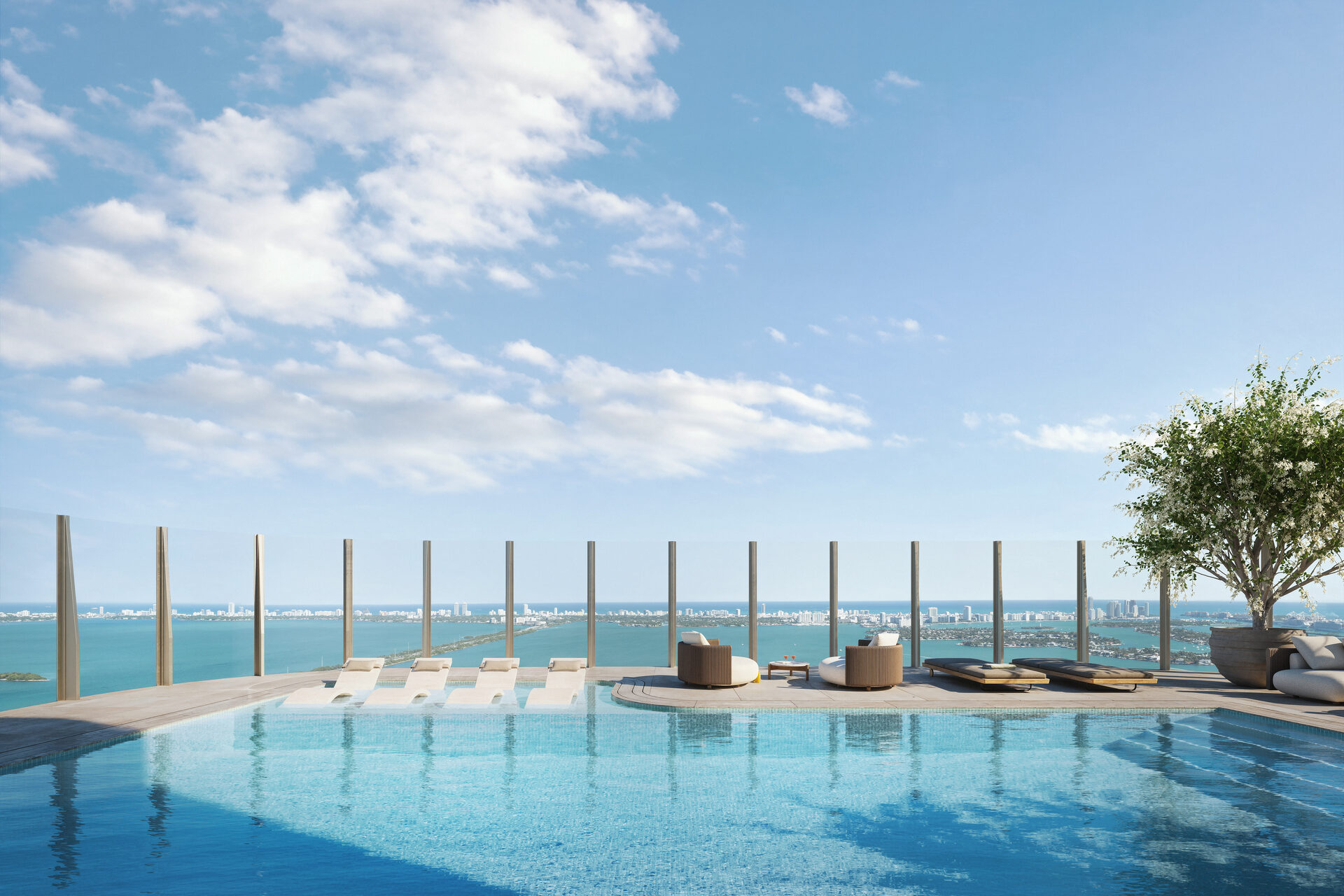
LILLI organizes its amenity program around the four Living Pillars (Movement, Recovery, Nourishment, and Connection) with 15,375 SF of interior and 6,664 SF of outdoor amenities. The program is wellness-anchored: separate men's and women's spas, infrared sauna, cold plunge, body-composition analyzer, infrared therapy, and a rejuvenation lounge.
Aria Reserve emphasizes scale: it offers more total amenity square footage because it is a larger building, but on a per-resident basis the amenity density is lower than LILLI's.
Edge House emphasizes flexibility: the building includes a hospitality program that allows residents to rent their units through the developer's affiliated management arm, which appeals to buyers seeking income optionality but changes the building's residential feel.
How do the finishes compare?
Standard finishes are increasingly consistent at the ultra-luxury level. All three towers offer Gaggenau or comparable European appliances, marble slab counters, and high-end fixtures. The differentiator at LILLI is the option for buyers to choose between oak and porcelain flooring, a flexibility that's rare at this price level. Buyers who want a warm tone can choose oak; buyers who prefer a more polished modern feel can choose porcelain. Neither requires a custom-finish upcharge.
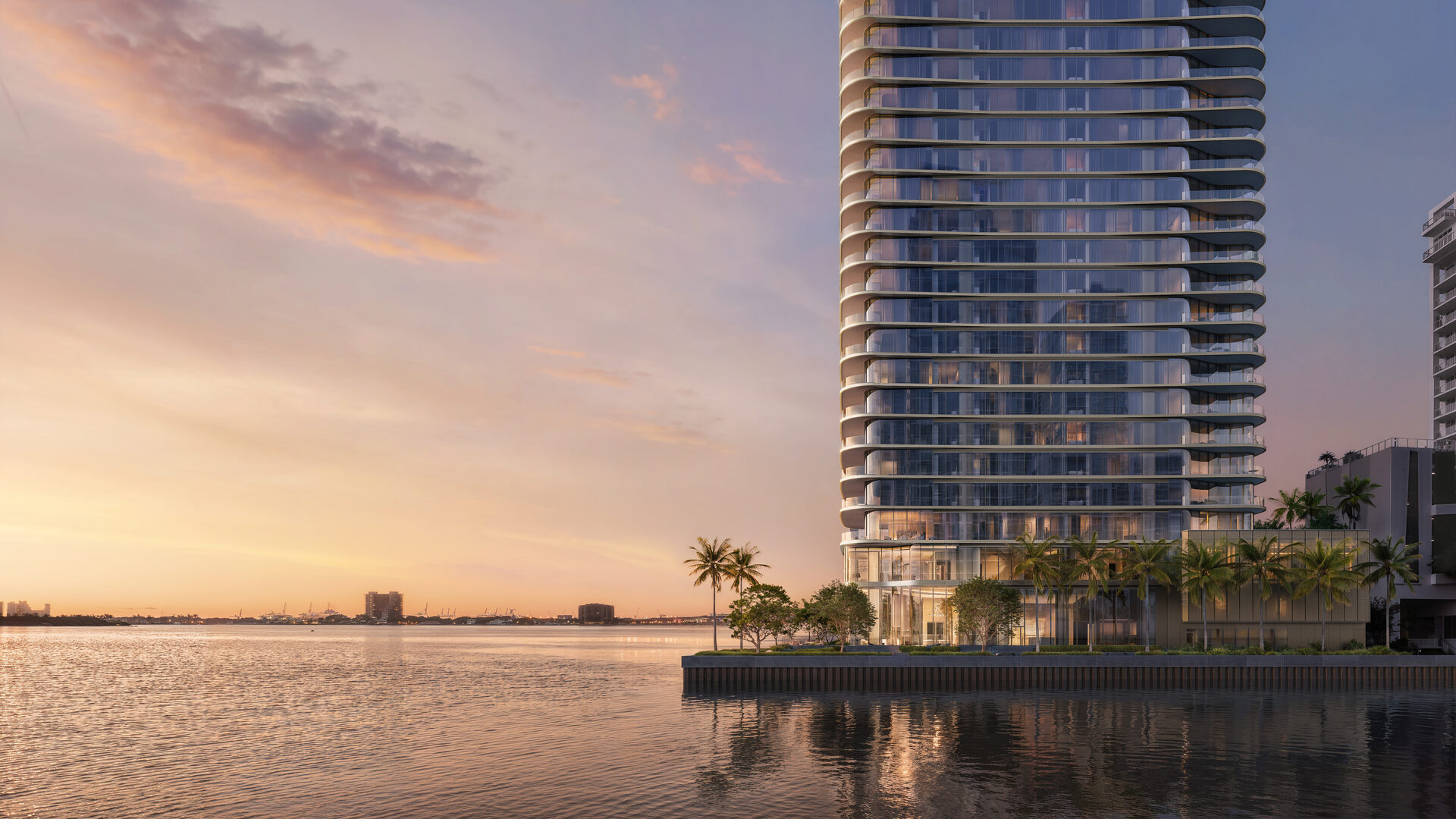
LILLI also offers a balcony that's unusually generous, 348 to 640 SF per residence, with glass handrails, porcelain tile flooring, and electrical outlets. The electrical-outlet detail seems minor until you live with a balcony that doesn't have them.
Which tower is the right fit for which buyer?
The three towers serve three distinct profiles:
- LILLI is for buyers who want a boutique-density building with the strongest architectural pedigree. If unit-count density, amenity-per-resident, and the single-firm ASGG design vision matter most, LILLI is the clear choice.
- Aria Reserve is for buyers who want the largest amenity menu in Edgewater. Two-tower scale brings amenity breadth, even if per-resident density is higher.
- Edge House is for buyers who want hospitality-style flexibility. The flexible-stay model means optionality on rental income, at the cost of a more transient residential feel.
The three towers are not really competing for the same buyer. LILLI is for boutique density. Aria is for scale. Edge House is for flexibility. The honest question is which model fits your life.
How do the deposit structures compare?
Deposit structures across all three towers follow the standard pre-construction pattern in Miami:
- LILLI: 10% at contract, 10% at 90 days, 10% at groundbreaking, 10% 9 months post-groundbreaking, 60% at closing. (40% pre-closing total.)
- Aria Reserve, comparable schedule, with the specific milestone percentages adjusted based on the construction phase. Verify directly.
- Edge House, uses a similar structure but with hospitality-program considerations baked in for rental-eligible buyers.
For exact and current deposit structures from Aria Reserve and Edge House, contact those sales teams directly. For LILLI, contact Adrian Sanchez at WIRE Miami and we'll send the official PDF.